
Is it Dan?


man-silhouette-question-mark1

(Image Courtesy of http://www.comedybunker.co.uk)

I got together with some friends I met during a regional leadership program to serve a local non-profit a few months ago. The day was spent mostly covering ourselves (and some of the walls) with paint, and catching up with each other.

While painting one particularly difficult area, we had four of us cramped in a small stairwell. Having resigned to have paint all over, my new quest became just to simply not step in the tray filled with paint.

The small space was a great time to talk, laugh, and catch up. Somehow we got on the topic of servicing our cars. I started to share a story.

Oh, you should go where we go. The same guy has been servicing our cars for over a decade.

Ok, but why should I go there?

No, you don’t get it. This is service like I have never experienced. I can call and get my cars right in. He always calls when the car is ready, and if there is going to be a delay. The price is always good, and if there is a way to save a little, he makes good recommendations as well.

There was a pause.

Is it Dan?

Yes, yes it is.

I figure it had to be. I have been going to him as well and feel the same way. Amazing service.

About seven years ago, I was having a conversation with a friend. We started talking about our cars. The conversation moved to service. I started to share my story.

We have been going to this one place for about three years now. They really take care of our cars, but there is this one guy who really seems to take an interest in making sure our cars are well cared for and safe.

Is it Dan?

This was the first time it happened. Seven years later it is still happening. People from different cities and different circles, all ask the same question: Is it Dan?

Every time I teach a class on customer service, I tell this story. Many ask me where Dan is, and if he really exists.

The story is true, he does exist. Maybe I changed his name, but that is not what matters. Something else matters.  Are we providing a level of service that is memorable in our roles, our jobs, and our lives?

Are we providing service that is memorable enough that when someone tells someone else about it (and they will tell others), they cannot help but ask one question:

Is it [insert your name here]?
The “Everything is Okay” Phone Call

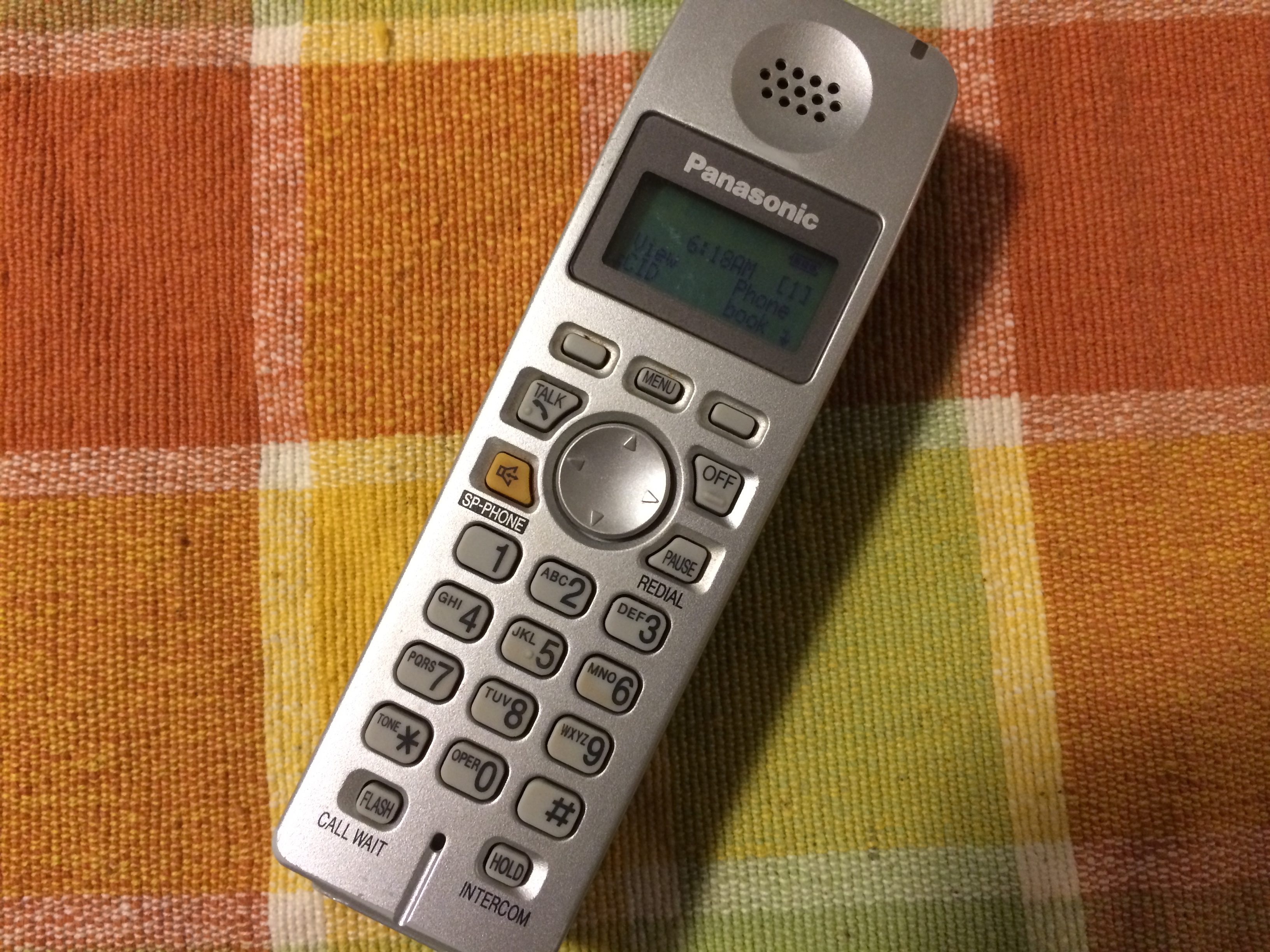
The Phone

Most of the phone calls that come my way are from people who need something. This seems like an obvious occupational hazard for a consultant who is trying to help others. However, I began to think that this pattern is deeper than just my work world. Over the past few weeks I started to keep track.

Text from kiddo – request for money.

Text from family – request to service their cars.

Phone call from friend – needed advice on issue.

Phone call from colleague – request to cover a meeting.

In the midst of this tracking experiment, there was one call that stood out:

The “Everything is Okay” phone call.

I didn’t actually take the call, it went to voicemail. Imagine my surprise when I listened to that message.

“Hey Carl, just wanted you to know that everything is okay I was just calling to connect with you and say Hi.”

It was just the call I needed. At times, the constant giving of yourself to others, their needs, and their problems can become a solitary place.

Relationships begin to feel like one-way streets.

I am taking this person’s example and trying an experiment of my own. Deliberate and intentional communication with others to connect with them, not to request from them.

Give it a try this week. Who knows, it may just change the world.

Glasses or Binoculars

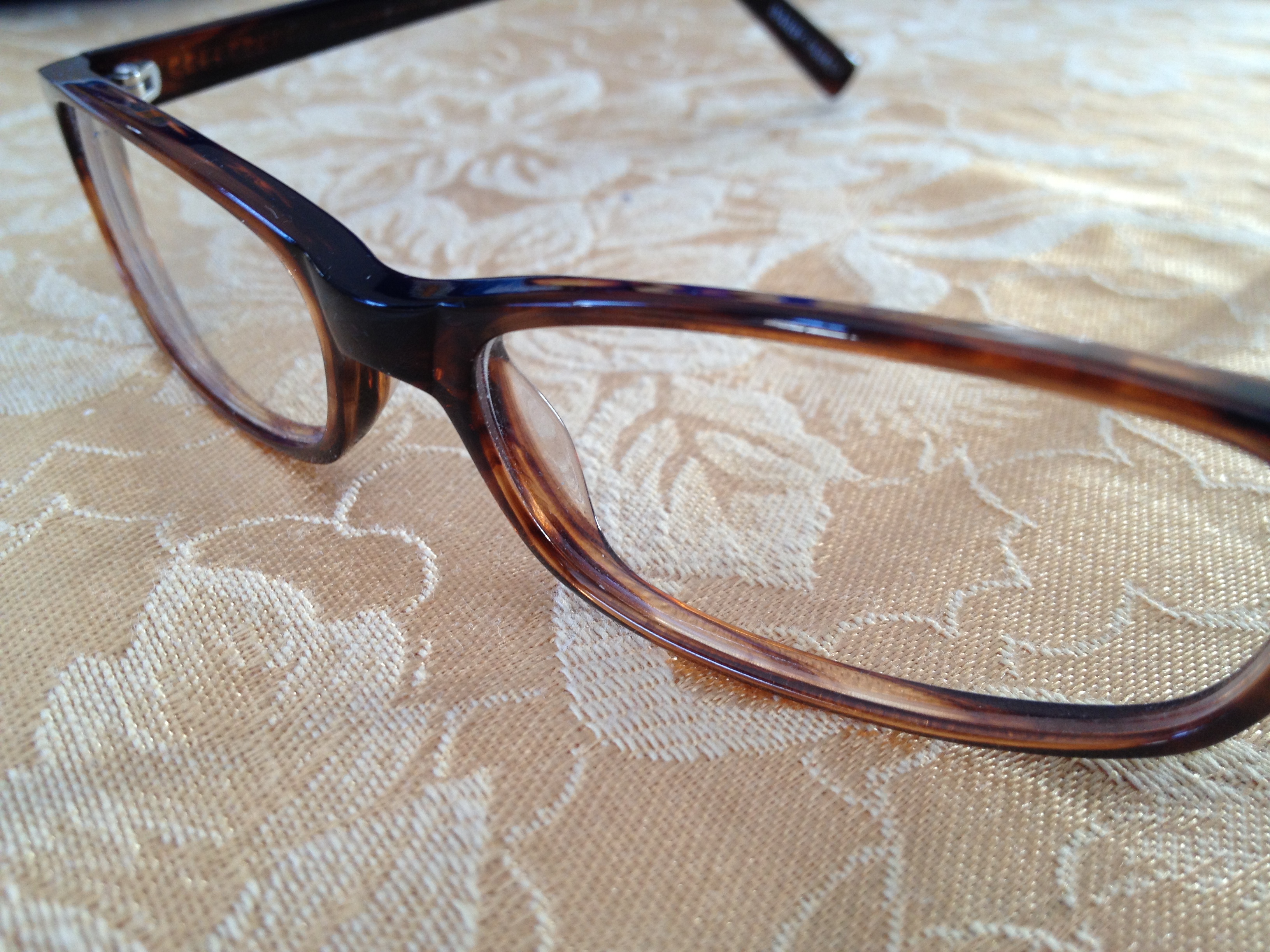
GlassesBoth of these tools have lenses, and are designed to help us see the world more clearly in their respective application. They are not competing with each other, but we may favor one over the other in our lives.

When looking at a situation, do you reach for your glasses or your binoculars?

Glasses help you see clearly.

Binoculars exaggerate and make everything appear closer.Binoculars

Glasses address things right before your eyes.

Binoculars help you see things that are far away, but may need your attention.

Glasses may need new lenses as life changes and our vision fades.

Binoculars may take some practice to learn to focus and interpret events.

Both glasses and binoculars have their respective role, application and usefulness. They become a burden when we get so used to using one, that we forget to change when the situation warrants.

A life lived solely through glasses makes the world seem smaller, as a quiet seclusion develops over time. Everything around you is in focus, but there is everything “out there” that is fearful and unknown. The life close to you is clear, but there may be a larger world around you that too far off in the distance to be seen.

A life lived solely through binoculars makes everything feel more close, more personal, more perilous. Interactions are overly scrutinized. Risks appear larger than life. Even the past events stay close because of the ability to keep them in sight, long after they have passed. This distorted view may cause you to miss the life that happens close, since your focus is much further away.

Where have you used glasses when binoculars were needed? When have your binoculars exaggerated aspects of your life when glasses would have brought the much-needed focus?

Picking the right application for both glasses and binoculars can be the key.

(Images courtesy of my iPhone and Lifesun)

Internal Customers

Customer Service Word CloudA few weeks ago, I was teaching a customer service class. One of the exercises split the group into small teams and they were asked to identify all of their customers. The lists grew, and the flip charts filled.

As I walked from group to group, I began to notice something. All of the lists were outwardly focused. I stayed quiet, but kept walking around the room. The lists continued and so did the focus outside of their organization.

Focusing on the outside customer is not a bad thing. We all need the customers outside of our organization. However, once the teams got up to present their lists to the rest of the room, they realized that there was an entire customer base they had missed. They missed their internal customers.

The teams went back to their lists. The lists rapidly grew and so did the realization. These various organizations or departments didn’t exist by themselves. Each team had an array of departments, individuals, or people that they provide customer service within their own operation. Some realized that a majority of their work is providing service to internal customers.

One team in particular had an interesting observation.

“We wonder if our continued focus outside, and essentially ignoring our internal customers, is a major reason why our external customers are not completely satisfied.”

That observation hit home with all of the teams. As we set customer service goals later in the session, each team began with goals to increase their internal customers’ satisfaction first, before tackling the other customers.

As I drove home from this session, I began to make my list of internal customers. The list included my co-workers, other departments, my wife, my kids, my family, and my friends. As I set goals for my external customer’s satisfaction, I also wrote down a few goals for my internal customers.

We all have internal customers. Do we focus on them? Spend a few minutes today making a list of your internal customers. A little focus internally may be just what we need to be better externally.

The Cost of Free

FreeRecently, someone was describing a difficult relationship. This is no ordinary difficult relationship, but one with someone who is deeply connected with this person.

They have a long history.

It has been difficult.

They still have to interact on a regular basis.

To make matters worse, the other person offers things for FREE. Since these things are typically valuable, there is an incentive to accept these FREE items or events.

As this person described the situations, conversations, or interactions leading up to these FREE offerings, something became abundantly clear.

These offers were anything but FREE.

The COST OF FREE was significant to this person, their family, and those close to them.

The COST OF FREE to this person was in the emotional stress and obligations that these FREE offerings came with after the fact. They became indebted to this other person.

The COST OF FREE to their family was the toll the stress had on their ability to connect with them during these difficult times, and the time away that the other person would eventually require as payment.

The COST OF FREE to those close was also in the form of stress, but also the inability to have the time to connect because they owed someone else their time, energy, and creativity.

I encouraged this person to calculate the COST OF FREE from now on and compare it to the value of what was being offered. Before this, they just saw the value of what was being offered and felt the obligation to say YES.

Now they can calculate the COST OF FREE and if that cost outweighs the offer, they can say NO.

Have you considered the COST OF FREE? Maybe it is time count the cost.

You may find a way to FREE yourself.

Keep Your Story Fresh

“What do you do with all that random information?”

A close friend asked me the other day. I must have been spouting off about some random facts that I had learned, but the details today escape me.

Apparently, my habit of trying to learn everything about anything I can get my hands on can be a little annoying if you are on the receiving end of my latest rant.

Within a week, during a routine drive time conversation with another close friend they experienced a question from a colleague after presenting to a large group.

“How do you know all that random information that you somehow weave into your presentation?”

“I need to keep my story fresh” they replied.

Those words resonated.

I need to keep my story fresh.

If we are going to stay relevant, current and in demand the old stories won’t do.

We have to learn, grow, develop, and stay teachable.

The seemingly random facts.

The new interactions.

The new class.

The new book.

The new experience.

They all join together to keep your story fresh.

To my first friend, I finally have the answer about my random rants and continual need to devour any information that comes my way.

“I am keeping my story fresh.”

To my second friend, thanks for the words we all needed to hear.