Wired for Problems

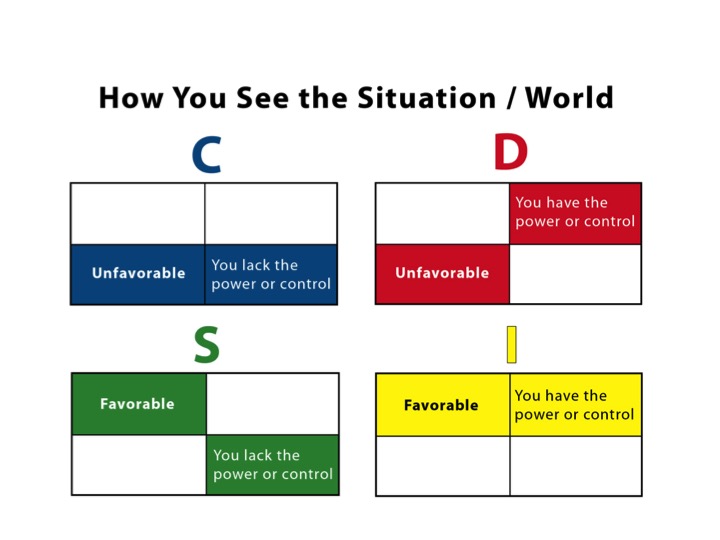
How you see the world

Understanding our own behavioral styles is essential to our long-term success. Knowing that you have a tendency to follow the rules, or that you can connect with others helps you leverage those strengths in your style (maybe you have a passion for finance or you are great at sales).

Knowing how you are wired also helps you know when your style needs to be modified (maybe you are too strict at enforcing rules or you connect so often with others that you are not getting your own work done).

The other day I was having a somewhat difficult interaction and an overreaction. When I react this way, I revisit my own style (often with other people) to help determine the cause and see if this insight provides some solution or an easier way to modify my style in the future.

As I described the situation to someone close, they provided some much-needed insight.

I am wired for problems.

How you see the world (1)


My natural tendency is to see things in an unfavorable light. Combine that with the perception that I am in control or have power over a situation, and things get interesting.

What I see as a problem, others may not even notice.

When I want to fix things, others may not be ready or aware that the problem even exists.

Sometimes this style works well.

If organizations, teams, or individuals need to change or improve.

Sometimes this style doesn’t work out as well.

If we are just having a casual conversation, or interaction.

This greater self-awareness helps me understand that although I would like to fix a lot of things, not everything is broken or a problem that needs fixing.

What is the old saying? “If you are a hammer, after a while everything begins to look like a nail.”

How are you wired?

If you know your own style, take a few moments to revisit your results.

Ask yourself the following questions:

1. What are the best 3 things about my style that really work for me in my role, job, career, or life.

2. What are the 3 things about my style that seem to get in the way the most, or if modified would lead to greater success.

Put that list somewhere where you can see it each day, and leverage what works, and begin to modify what doesn’t work.

If you don’t know your style, drop me a line or connect with someone who can help you identify your style.

After

After.

After is harder than I imagined.

Before is filled with fear, anxiety, and tension.

Before is about setting a goal that would stretch and challenge.

Before is the decision to try.

During is about action.

During requires getting up each day to train, learn, or push.

During has failures, setbacks, and obstacles.

During connects you to others on that goal or project.

During feels alive.

When the big day arrives, all the training shines through.

Goals are accomplished.

After comes next.

After has a brief time for celebration.

After brings about an end.

After is when the team moves on to other things.

After there is a feeling of loss, as lives return to normal.

After there is a feeling of being lost, as you think about the next big goal.

After is a time to rest and gain perspective.

Before returns.

During will bring a new structure, a new routine, a new plan.

After will come again.

Here or There?

“Are you here or there?”

The question seemed simple enough. The originator was concerned with geography and location.

“We are glad you are here.”

A simple statement. An appropriate welcome to a meeting.

“When will we be there?”

One of the most common questions in (my) life.

Somewhat fixated on the original question, my mind kept bringing it forward.

“Are you here or there?”

Are we present in the moment or always looking for some other distant event?

“Are you here or there?”

Are we distracted when I should be focused on those people or events right in front of us?

“Are you here or there?”

Are we enjoying the ride or impatiently hoping the destination will come?

“Are you here or there?”

By focusing on this question, maybe we can become less distracted.

By focusing on this question, maybe we can be more present in the moment.

By focusing on this question, maybe we can remind ourselves of the journey.

“Are you here or there?”

The answer may just change the (your) world.

Build Something That Will Be Missed

Road time.

Hours spent traveling from one customer to the next.

Time to and from the appointment, the errand, the visit.

Use and savor this time.

Connection calls.

Podcasts.

Seth Godin’s Start Up School.

Resonating message.

One specific phrase.

“Build Something That Will Be Missed.”

New Focus.

New Purpose.

Build.

Build again.

Keep building.

What will they miss?


Making Soap: A Lesson in Being a Serial Entrepreneur

Breakfast with a few close friends is always welcome on my calendar. During yet another snow storm, we made our way out to find a new place to eat. The one friend came from far away, the other from right down the road.

We talked. We connected. We laughed.

One friend is always traveling, and has great stories.

The other friend is a Serial Entrepreneur. They are always coming up with new ideas, new businesses, new ways to make something happen.

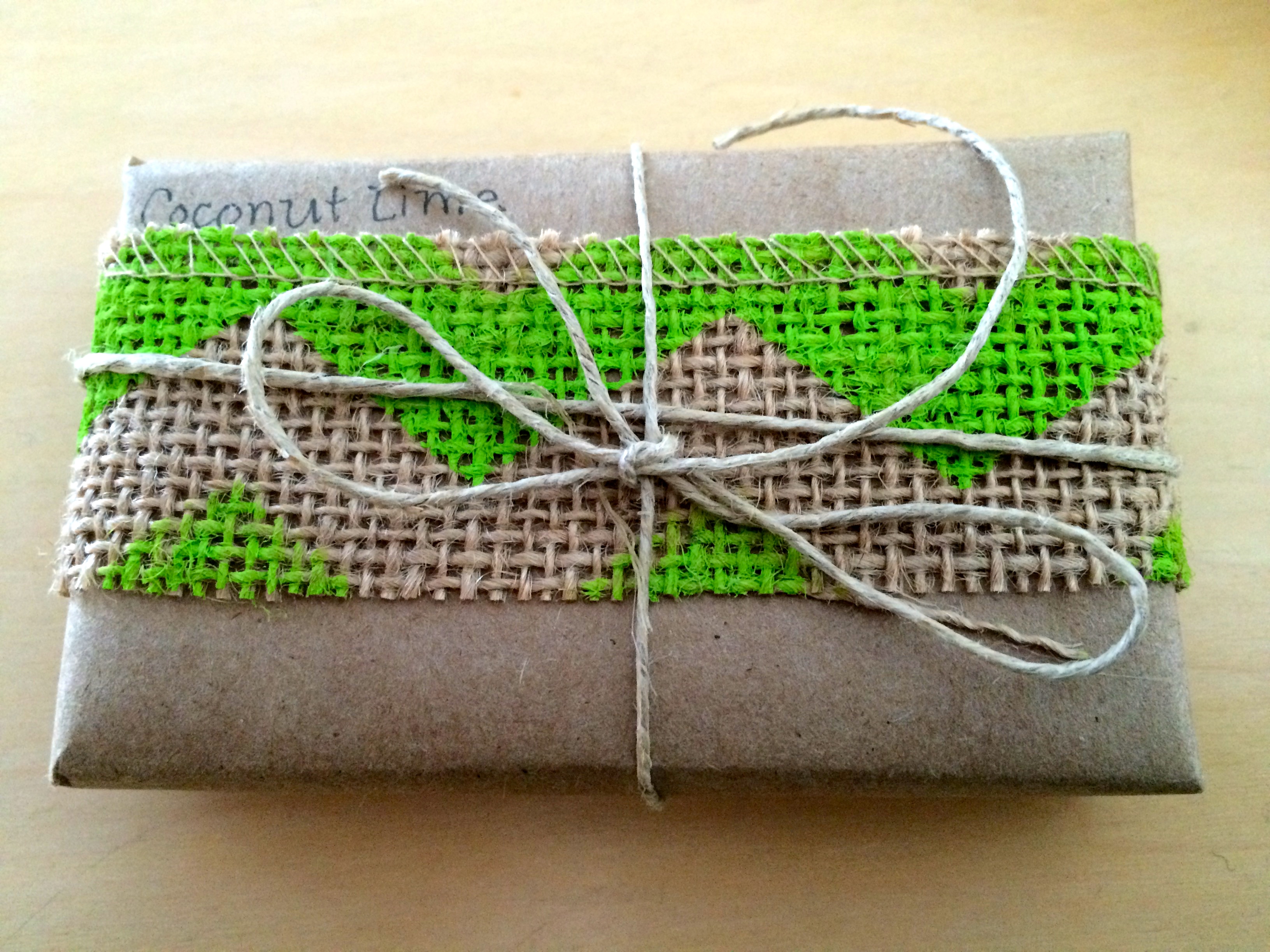
As we were eating our food, the Serial Entrepreneur gave us both small packages. Homemade soaps in nicely decorated packaging. Not only have they been experimenting with making soaps, they have already started selling them.

IMG_1154IMG_1155

While reading Seth Godin’s new book “What to do when it’s your turn (and it’s always your  turn)” I was reminded of this other friend.

They are always taking an idea and running with it.

They try, fail, try again, succeed, think of something else, and keep moving.

Did they wait for someone to tell them it was their turn? No, they just keep doing.

Do they have all the answers? No.

Do they have a complete plan with all the details before the move? No again.

Do they take risks? You betcha.

Did they wait for everything to be perfect before they shipped? Nope.

Do they do more in a few years than most of us will do in our lives? Yes.

After breakfast I thanked this friend for the lesson: Keep Trying New Things, Take the Risk, and Ship.

I wonder what their [your] next idea will be?

Homework, Frustration, and Emotional Intelligence

Homework

While having lunch the other day with a friend, the conversation moved from simply catching up on the details of our lives to deeper places. We started to talk about emotional intelligence and the role it plays in our success.

To provide an example, I shared a story.

A few years ago, while trying to help one of our daughters with her homework, I got upset. The helping, the explanations, and the examples were not gaining traction. In fact, it seemed to make things worse. My emotional glass got cloudy.

I have already admitted to having Emotional Rickets when it comes to emotional intelligence. Of the five hierarchical steps by Daniel Goleman, the first two always help me unpack issues that I may be having.

Step 1, Self-Awareness

Step 2, Self-Regulation

If I am having a problem with Self-Regulation (getting upset), I go back down a Step to Self Awareness and try to figure out what is happening.

What is the negative emotional trigger? What else may be going on inside?

“Why is helping with her homework causing you to get upset?”

“I don’t know, maybe because I want her to succeed.”

“Ok, that is one possibility, but helping her succeed shouldn’t cause you to be angry. What else is happening, what are you afraid of?”

“I am afraid that she won’t do well, that she won’t get into college, that this time was somehow wasted.”

“Keep going.”

“I am afraid that this means that I have not helped or prepared her enough. That her failing is a reflection of me. That I am not a good Dad.”

There it was: the real issue. Fear of failing as a Dad.

I was trying to Self-Regulate an emotional state around homework that was really about something else. By going back a step, by finding greater Self-Awareness, the Self-Regulation becomes easier.

It was never about the homework. In fact, the inability to Self-Regulate was actually contributing to that fear becoming a reality.

Thankfully, she still lets me help with homework. (After some serious apologizing and a few tears.) Those feelings or fears still exist, but the ability to regulate the emotions in the moment have become much easier.

The next time you find yourself getting upset about homework or having trouble with Self-Regulation when [insert your specific story here] try this simple process.

Take a step back, ask yourself the hard questions.

What is really happening? What are you afraid of?