The Perfectionism Pause

The conversation is the same. The players are different.

There is an idea, a spark, a risk.

Share this art, this gift, this new thing?

Pause. It is not perfect.

I will share it someday, but it is not ready.

More work.

Pause. It could be better.

Even more work.

Pause. If I just (insert phase here) it will be perfect enough to share.

Imagine how much the Perfectionism Pause has robbed all of us of YOUR gifts.

The Two Teams

The Two Teams

When working with teams about their collective behavioral styles, I have noticed that in the long run there are only Two Teams. As I check in with various teams’ progress at certain intervals the Two Teams have two distinct results.

Team One is doing well. Team Two is actually worse than before.

Unfortunately there doesn’t seem to be a middle ground.

Team One is communicating differently, achieving results, and having less conflict.

Team Two is communicating differently, not achieving results, and having more conflict.

What separates these Two Teams?

Why does Team One prosper and Team Two decline?

The answer was simple. After a series of meetings, calls, and follow-up visits a pattern developed. I took notes of each group but the difference became clear.

Team One Pattern

After the initial session, each member of Team One reflected on their own primary style. They made a list of what worked for them as a member of Team One. They made a second list of what didn’t work or needed modification in order for them to be a better member of Team One. Over the next few months each Team One member worked on what didn’t work and tried to leverage what did work.

Team Two Pattern

After the initial session, each member of Team Two reflected on their primary style. They made a list of what worked for them as a member of Team Two. They made a second list of what didn’t work or needed modification in order for others to be a better member of Team Two. Over the next few months each Team Two member worked on trying to get others to change their behaviors and style and did not focus on how they could change.

Will you focus on how you can improve to make the team better?

OR

Will you make a list of how much better things will be when other people change?

The choice is simple when you realize there are only Two Teams.

The Other Plan

The Other Plan

Somewhere along the way, we are taught to develop alternative plans. This other plan accounts for contingencies, problems, and worst-case scenarios. The other plan reminds us that things may go wrong and we have to prepare ourselves to move, change, or alter course.

I am all for the other plan.

But.

Sometimes the other plan keeps us from fully committing.

Sometimes the other plan gives us an out when things are tough.

Sometimes the other plan makes ending relationships, jobs, ideas, projects, too easy.

Sometimes the other plan keeps us from appreciating our actual life.


The Contest (and rules and giveaway)

Know Yourself. Change the World

The Contest

Know Yourself. Change the World. A lot of my work with people starts with a better understanding of their own styles. Either in the coaching relationship or when working with leadership teams, starting with better self-knowledge is a key step towards making progress and improvement.

Ever wonder about your behavioral style and how you are wired? Have you wanted to know yourself better and learn ways to be more effective in the workplace or life? Do you ever wish that you could communicate better with others, and have a better handle on who you are?

Here is your chance.

The Giveaway

One lucky winner will receive a complimentary assessment of their behaviors and motivators along with a one hour debrief with me via Skype or FaceTime (a $500 value). This is an online assessment and you will receive a report (around 46 to 52 pages) that will allow you to better understand yourself (both strengths and weaknesses). We will spend a little time together talking about how this new insight will help you in your career, life, relationships, and journey.

The Rules

To enter this drawing, all you have to do is leave a comment in the comments section of this post. Pretty simple. You don’t have to comment more than once, that doesn’t help your chances. Remember to leave your name or some identifier so I can announce the winner and contact you. A winner will be picked at random.

The Contest is open until 5 PM (EST), Friday October 3rd, 2014. A winner will be announced shortly after this deadline.

Let the contest begin!

If you have already taken one of these assessments with me, send this to someone you know who could benefit from greater self-awareness and understanding.

Spread the word.

Rusty Connections

RustyOldHinges

(Image Courtesy of http://www.angiesroost.com)

A friend recently reached out to make sure we were okay. Nothing specific happened, just a little time passed since we last connected.

“Are we okay?”

“Yes. Why, do you think something is wrong?”

“No, just sometimes when time passes our connections get a little rusty.”

Rusty Connections. As time passes things don’t move with the same fluidity. There can be resistance or breakdown. Sometimes, things just stop working.

Our relationships and our connections with others can get rusty. They may have become stiff and lack the flexibility they once had. The passage of time may have caused them to stop working the same way they did years ago.

There is good news. With effort, many of these Rusty Connections can move again. That effort may take the form of a phone call, a text or email, or even a letter (see below). But remember, a rusty hinge doesn’t return to its original state. Time has passed, and it will move again but in a slightly different way. Perhaps with a little more effort.

(I have a good friend who is single-handedly attempting to bring back the written correspondence approach, and I applaud and am participating in this effort. Why not give it a try?)

Habit Residue

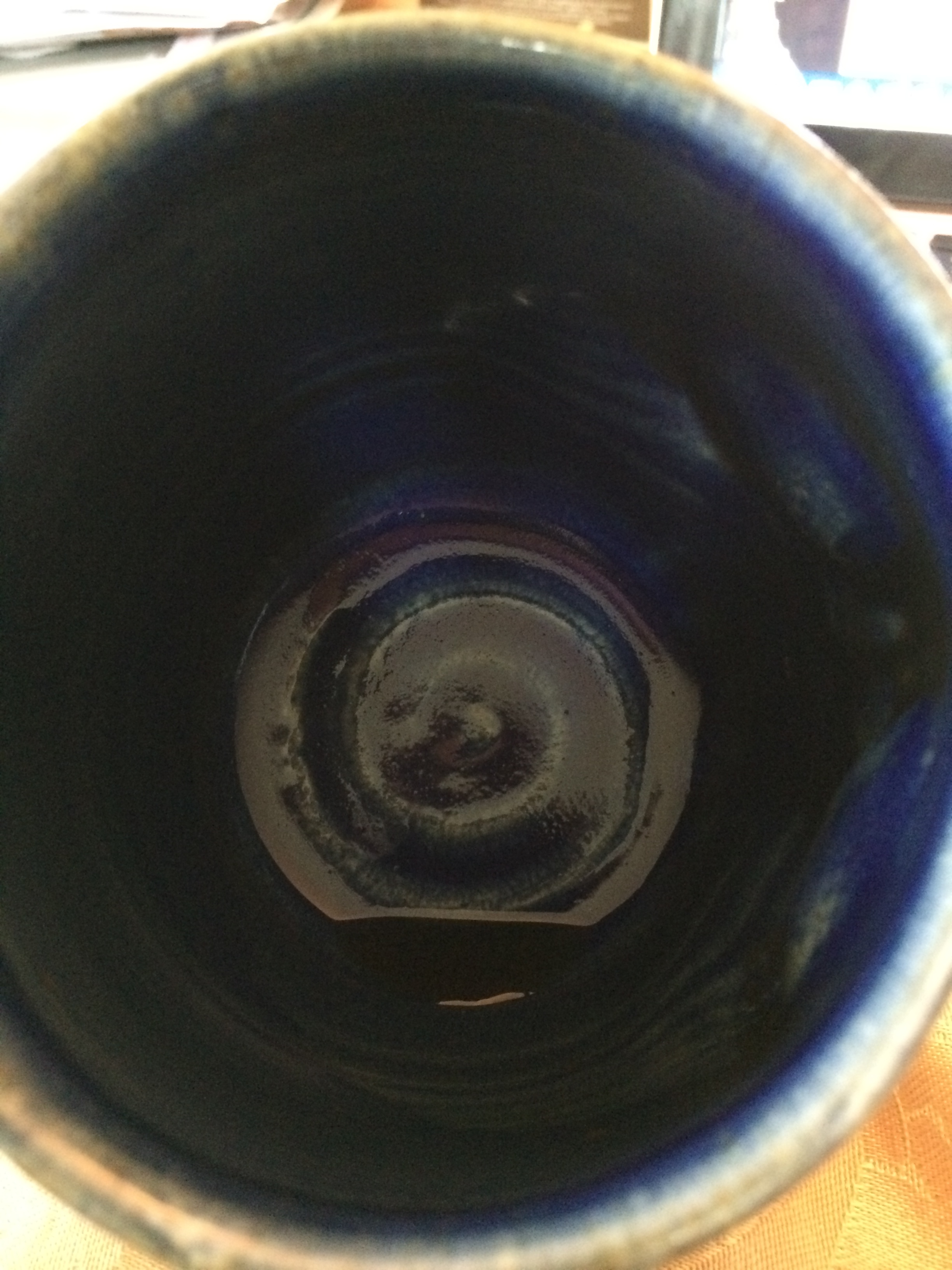
Coffee Residue

We all have Habits.

Certain things we do that are a recurring pattern. Some we enjoy and are positive in our lives. Others are not great for us, and we struggle with changing them.

Habits become wired in our brains so we can focus on other more important aspects of our lives. Try to be more aware the next time you brush your teeth, take a shower, or get dressed, watch how this pattern of brushing, washing and dressing unfolds. The odds are you have a Habit that follows a pattern.

However, breaking a prior habit and re-wiring something new takes time and effort. In the first few weeks of trying something new, the old Habit tries to reestablish its dominance.

While helping someone establish a new Habit and replace and old one, they became frustrated when the old Habit returned.

“It seems to be back. I am trying.”

“You have made a lot of progress, maybe that is just the Habit Residue.”

“What are you taking about?”

“You know, what is left behind after something is gone. After I drink my coffee, there is coffee residue in the mug. The coffee is gone, I can still smell it, but the actual coffee is no longer here.”

We laughed and they were able to move forward. Somehow putting the Habit Residue in its place made it seem less powerful, less able to reassert itself back in their life.

What Habits are not working for you? What areas of your life, work, home, or relationships could use some new patterns?

Changing these Habits may not be easy, especially when the Habit Residue pretends to be the real thing. Putting the Habit Residue in its place may be a good place to start.