The “Everything is Okay” Phone Call

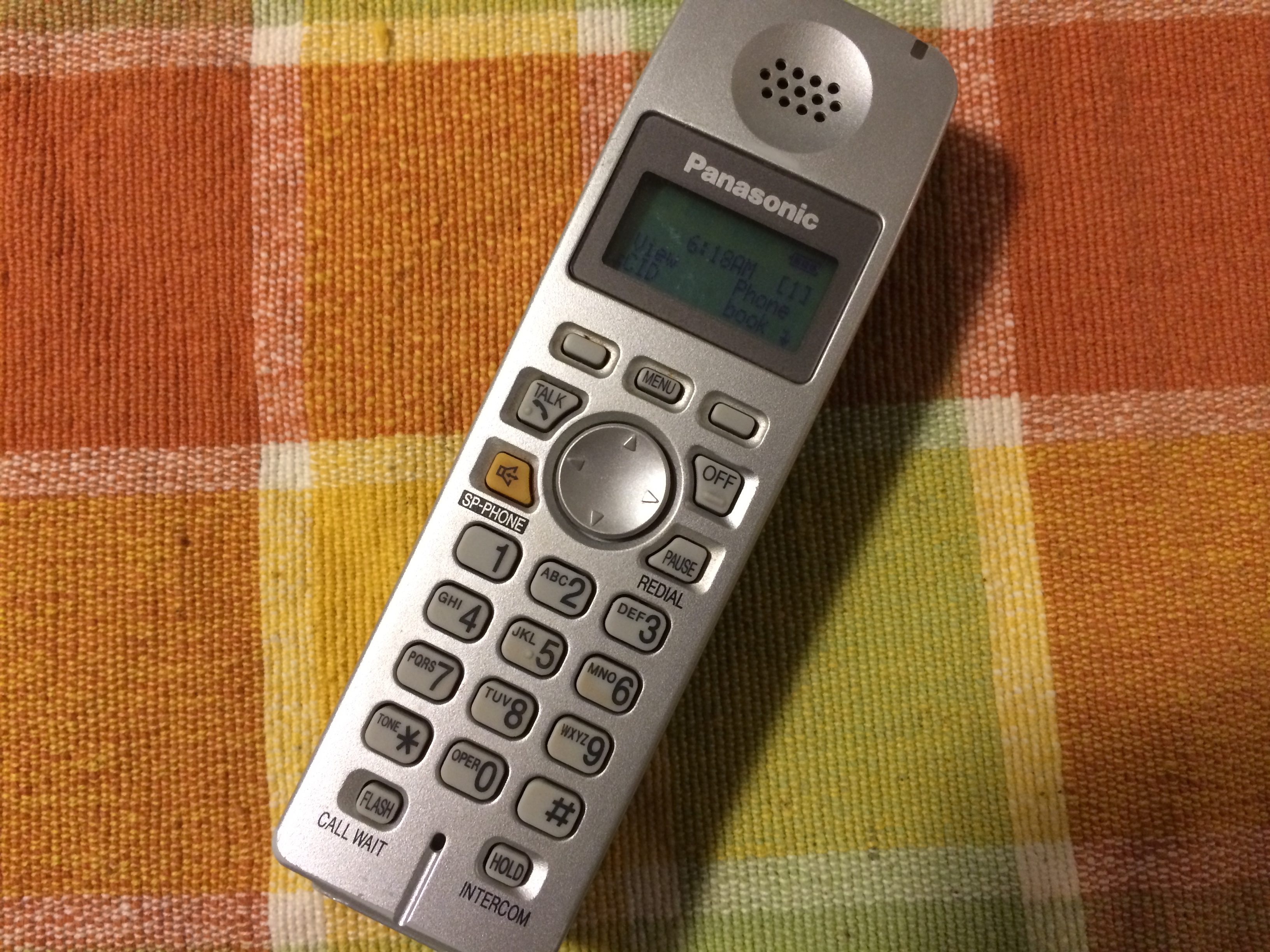
The Phone

Most of the phone calls that come my way are from people who need something. This seems like an obvious occupational hazard for a consultant who is trying to help others. However, I began to think that this pattern is deeper than just my work world. Over the past few weeks I started to keep track.

Text from kiddo – request for money.

Text from family – request to service their cars.

Phone call from friend – needed advice on issue.

Phone call from colleague – request to cover a meeting.

In the midst of this tracking experiment, there was one call that stood out:

The “Everything is Okay” phone call.

I didn’t actually take the call, it went to voicemail. Imagine my surprise when I listened to that message.

“Hey Carl, just wanted you to know that everything is okay I was just calling to connect with you and say Hi.”

It was just the call I needed. At times, the constant giving of yourself to others, their needs, and their problems can become a solitary place.

Relationships begin to feel like one-way streets.

I am taking this person’s example and trying an experiment of my own. Deliberate and intentional communication with others to connect with them, not to request from them.

Give it a try this week. Who knows, it may just change the world.

“I am good as possible”

I live in New Hampshire. With the exception of my time in the Navy and a few years of grad school, I have lived here my whole life.

Every winter, it snows here…a lot. The world slows down, and we tend to hibernate and stay inside more.

I have a confession: I never learned to ski.

Combine this fact with the fact that I agreed to chaperone my daughter’s ski club helped prompt me to do something that I have been meaning to do for years: learn to ski.

At 44 years old, I decided to stop putting this off and start taking a lesson (the Sunday before a Wednesday ski club). Despite my initial fear, of falling and/or making a fool of myself, the lesson went well and I had enough skills to chaperone. Enough skills to get by. I stared to wonder if I needed additional lessons.

I told this story to a friend. This friend had a story for me. Years ago when their young child was learning to ski, their family would spend days on the slopes. Most of the day was spent in lessons, and occasionally they would “free ski” afterwards. Their child had good skills and some natural talent for skiing and could out-ski most of their peers. The lessons continued.

After lunch, most of the family was going to ski the slopes and the young child had to return to their lesson. The child wanted to ski with the rest of the family, but the lesson continued in the afternoon. A meltdown ensued with this youngster trying to find a reason why they didn’t need to continue the lesson.

“I don’t need another lesson. I am good as possible!” they screamed.

We laughed at the story, but those words remained. “I am good as possible.”

How often do we think we are good enough at something and fail to continue to learn and challenge ourselves? When does “good enough” satisfy us so that we stop refining our skills? Lessons can be boring, especially when compared to skiing down the slopes.

For me, I decided to continue with the lessons. But this story and those words caused me to look to at my own life to see where I have shouted “I am good as possible” instead of realizing that I could improve with just a few more lessons.

Learning to Ski

P.S. For anyone who thinks they are too old, tired, experienced, afraid, (insert word here) to try something new, my instructor told me about a 78 year-old grandfather who decided to learn to snowboard so he could go down the slopes at least once with his grandchildren. And he did!

Glasses or Binoculars

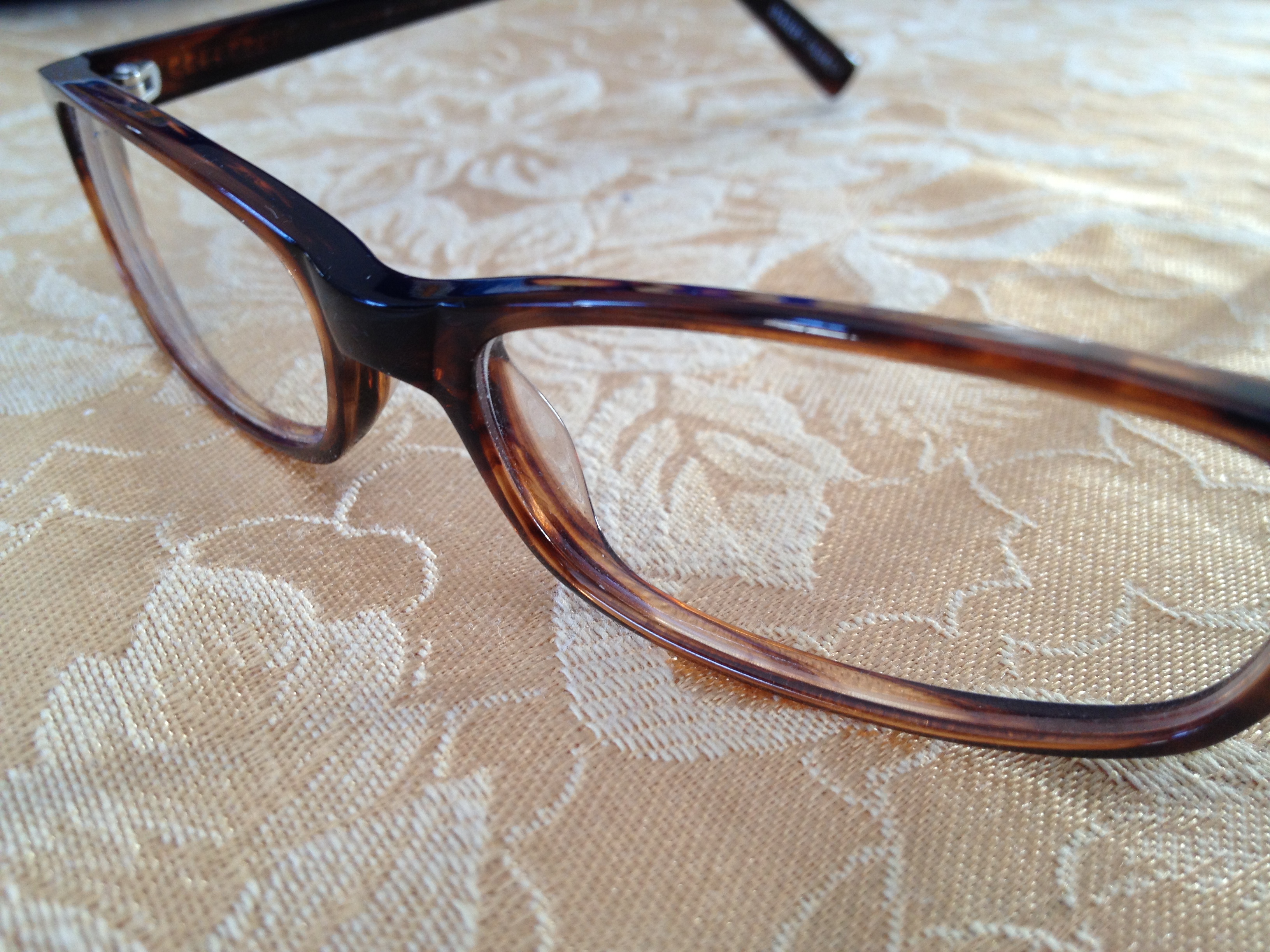
GlassesBoth of these tools have lenses, and are designed to help us see the world more clearly in their respective application. They are not competing with each other, but we may favor one over the other in our lives.

When looking at a situation, do you reach for your glasses or your binoculars?

Glasses help you see clearly.

Binoculars exaggerate and make everything appear closer.Binoculars

Glasses address things right before your eyes.

Binoculars help you see things that are far away, but may need your attention.

Glasses may need new lenses as life changes and our vision fades.

Binoculars may take some practice to learn to focus and interpret events.

Both glasses and binoculars have their respective role, application and usefulness. They become a burden when we get so used to using one, that we forget to change when the situation warrants.

A life lived solely through glasses makes the world seem smaller, as a quiet seclusion develops over time. Everything around you is in focus, but there is everything “out there” that is fearful and unknown. The life close to you is clear, but there may be a larger world around you that too far off in the distance to be seen.

A life lived solely through binoculars makes everything feel more close, more personal, more perilous. Interactions are overly scrutinized. Risks appear larger than life. Even the past events stay close because of the ability to keep them in sight, long after they have passed. This distorted view may cause you to miss the life that happens close, since your focus is much further away.

Where have you used glasses when binoculars were needed? When have your binoculars exaggerated aspects of your life when glasses would have brought the much-needed focus?

Picking the right application for both glasses and binoculars can be the key.

(Images courtesy of my iPhone and Lifesun)

The Relationship Reset Button

Reset Button

(Image Courtesy of Acceleraction.com)

So often in relationships, whether at home or work, with family or friends or loved ones, the past can overly shape the present.

You had a disagreement with that person. Now every interaction is awkward.

You lost your cool. Now others walk on eggshells around you.

You used to be fascinated by someone’s uniqueness. Now these issues only seem to cause you frustration.

You overly questioned someone’s work. Now they feel that you don’t trust them.

While working with a small group, we noticed this pattern and discussed how it impacts their ability to work together. The more I reflected, the more I noticed this pattern in my own circles.

The past interactions do not disappear, they build on each other to form a strange and often distorted view of others. I read recently that our memories can deceive us. Our memories exist, but each time we access them again they can change and the newer version of the story replaces the old memory.

I thought about how this can impact our relationships. Perhaps this is why it is so hard not to feel like a little kid around your parents. Maybe this is why people in more close relationships are heard complaining about the other one (many times in front of that person). This may be why it is so hard to rebuild a relationship at work that has gone south.

Those memories keep building and changing in a way that reinforces the negative issues.

What we could use is the Relationship Reset Button. This handy device would be available to any two people or a small group where all parties decide to let go of those past hurts, judgements, or misunderstandings. With a simple press of the button, everything would reset. They would be able to start fresh, start new, and get another chance at their relationship.

Yesterday I worked with this small group again. They pushed the Relationship Reset Button. There was history. There was conflict. There was a past. It wasn’t easy, but they stared over.

They let go, and began to appreciate each other’s differences.

They started to anticipate what the others may need, and started to provide that instead of being frustrated by requests.

They started to see that together they could accomplish so much more.

Along the way, some of the past began to return, but they would get together and remind each other that they had started over. These occasional issues didn’t build a new history, but were seen as lingering shadows that would continue to diminish as their new relationships grew.

Where can you use the Relationship Reset Button? Where has the past overly shaped and distorted some of your best relationships? The new year is about to start, so why not go ahead and press it and see what this year brings?

Their Own Role In Their Story

ant-lifting-log-300x228

(Image Courtesy of soulseeds.com)

During the final session of a five-part series with leaders, we asked them to create an intentional leadership plan and present it to the rest of the group. Each leader tackled the greatest challenge before them in the next year, and described how they were going to make progress.

This can be an intimidating group. They are the top in their field. They have accomplished a lot. They are all viewed by each other as very successful.

Many outlined how knowing themselves helped lay the foundation for this project. Some had slides and handouts. Others simply stood up and talked. All were open about their own weaknesses.

It was the weaknesses that resonated with me the most. These leaders were pretty hard on themselves. At times, the group would interrupt the presenter, just to encourage them and remind them how incredible they really were, despite those weaknesses.

I was having a conversation with one of them afterwards.

“It’s funny, we see others strengths, and our own weaknesses filtered through some insecurity.”

They replied with something that stuck with me.

“Totally, though I was surprised at some people’s inability to see their own role in their story, including me.”

Their own role in their story. It is so easy to see others as strong, courageous, determined and successful, while discounting yourself.

We see their strengths, but know our weaknesses.

We see their success, but see our failures.

We hear their words, but hear our inner voice.

Where have you discounted your own role in your story? Where have you focused on your weaknesses, while forgetting the strengths?

You have an important role to play in your story and your life.

If you could only see yourself the way we see you. You’d be surprised at how strong and courageous you really look.

Internal Customers

Customer Service Word CloudA few weeks ago, I was teaching a customer service class. One of the exercises split the group into small teams and they were asked to identify all of their customers. The lists grew, and the flip charts filled.

As I walked from group to group, I began to notice something. All of the lists were outwardly focused. I stayed quiet, but kept walking around the room. The lists continued and so did the focus outside of their organization.

Focusing on the outside customer is not a bad thing. We all need the customers outside of our organization. However, once the teams got up to present their lists to the rest of the room, they realized that there was an entire customer base they had missed. They missed their internal customers.

The teams went back to their lists. The lists rapidly grew and so did the realization. These various organizations or departments didn’t exist by themselves. Each team had an array of departments, individuals, or people that they provide customer service within their own operation. Some realized that a majority of their work is providing service to internal customers.

One team in particular had an interesting observation.

“We wonder if our continued focus outside, and essentially ignoring our internal customers, is a major reason why our external customers are not completely satisfied.”

That observation hit home with all of the teams. As we set customer service goals later in the session, each team began with goals to increase their internal customers’ satisfaction first, before tackling the other customers.

As I drove home from this session, I began to make my list of internal customers. The list included my co-workers, other departments, my wife, my kids, my family, and my friends. As I set goals for my external customer’s satisfaction, I also wrote down a few goals for my internal customers.

We all have internal customers. Do we focus on them? Spend a few minutes today making a list of your internal customers. A little focus internally may be just what we need to be better externally.