Helping individuals, businesses, and organization leaders through coaching, hiring assistance, behavioral assessments, problem solving, training, and facilitation
The following is an excerpt from Page 45 of the Muse’s Guide: Your guide to Humans. This little known manual was recently discovered. A copy is provided to each of our Muse’s during their orientation as they wait to be assigned to a Human. This series will reveal some of the insight contained within the dog eared and highlighted pages of the Muse’s Guide.
Humans make a lot of decisions and choices in life. Some decisions are well reasoned, careful, and deliberate. Some decisions are emotional, reactive, and spur of the moment. They have a lot going on and they don’t always understand the result or consequences of these decisions.
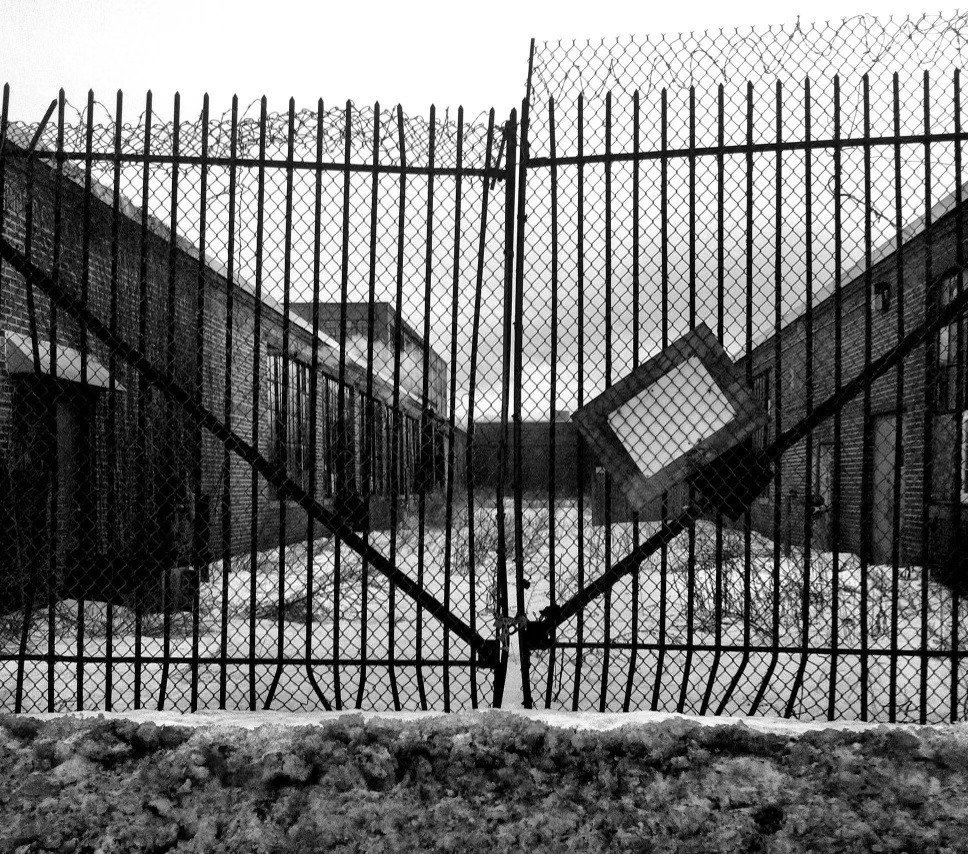
How these Humans view these decisions and events in their lives can seriously impact your work. As you work to inspire them each day, the weight of the prior decisions might limit their ability to hear you. Some Humans view these events or decisions as Gates.
Gates that are locked.
Image Courtesy of Robin Lake
These Gates represent where the events in life and the resulting decisions have closed off options or opportunities. Many Humans stop dreaming of something more because they walk up to these Gates, feel the cold steel, touch the lock, peer beyond at a life that is no longer for them. Their dreams fade as they stand before these Gates. Creativity and their capacity to dream big fades.
As their Muse, watching this unfold can be heartbreaking. Your magical Human crushed by the weight of events, life, circumstances and their decisions.
There is some truth to what your Human is feeling. The past is like a Lock. Their decision, that event, that thing that happened is in the past and is locked and cannot be changed (even a Muse cannot alter the past, despite being a top Human request).
Humans cannot see everything you see. They are trying to make sense of everything so when they see a Lock, they assume that it must be locking them out of something. They internalize decisions and events and their Narrator reminds them of any “failure” to disqualify them from future creation and they stand outside of the Gates.
But not all Locks are on Gates.
Image courtesy of Amanda Weber
Some Locks simply commemorate events.
Humans do this all the time (but still misunderstand Locks).
They put Locks on fences and bridges all the time to remind them of when they met someone special, their birthday, anniversaries or the passing of a loved one.
Those Locks are memories. Those Locks are simply things that happened on their timeline.
Some Locks are filled with Joy.
Some Locks are painful.
Some Locks are beautiful.
Some Locks are hard to view.
Some Locks are in the wrong place.
Some Locks may be on Gates, but didn’t Lock the Gate.
Image courtesy of Geoff Martin
Do you remember the Keys we issued you at Orientation? Every Muse has a set of Keys that fit the Locks of your Human. As we said before, these Locks (decisions, events, memories) cannot be changed, but they can be moved.
Some Locks are just in the wrong place.
As you help your Human organize these Locks along the fence they will begin to see their timeline appear.
These Locks were never meant to be on the Gates.
Locks were meant to remind them of their Journey.
Locks are memories, not limits.
Locks are what helped make them who they are, and who they are becoming.
Locks are the Key to moving forward (see what we did here?).
Sometimes your Human will just need a little help moving those Locks into perspective.
Thanks for your meaningful work as a Muse, these Humans need you more than ever.
I never realized how heavy my own head could be, especially when I could barely turn or lift it.
The pain radiated from the back of my skull through my neck, clavicle, and down my back.
An accident? Nope.
An injury while doing something risky? Again, no.
An event that happened that required physical feats of strength? I wish.
Apparently just “sleeping wrong” created this overload of spasms and agony. Mid-life occupational hazard.
Four days. Ibuprofen overload.
Four pain-filled days. Learning to move, not move, and do simple tasks.
Relief. Physical Therapy and stretching.
The next few days were interesting.
Despite being pain free, I found myself acting as if the pain was still there.
Cautiously moving, acting as if the soreness and stiffness remained.
Acting as if…
Acting as if is a concept in positive psychology that has us aspire to what we want to become or goals we want to achieve, and then start acting as if we have already arrived or achieved those goals in the face of challenges or obstacles.
Acting as if, builds our self confidence, our self-perceptions, and helps against self-sabotage and builds a more positive mindset.
By the second pain-free day, I began to notice the power of acting as if.
When I was acting as if the pain was still there, I was stiff, cautious, moved slower, and was afraid.
In that moment, I had to remind myself that the pain was gone and start acting as if things were normal. My movements became more fluid and natural.
My mind wandered to all the times I have been acting as if pain, limitations, and obstacles are still here. Limiting me.
I began to think about all the time WE have all been acting as if a lot of things are still present. Limiting us.
Where could we all try acting as if?
Acting as if that pain is no longer present.
Acting as if we achieved our goals.
Acting as if we are enough.
I look forward to hearing about your acting as if journey, and until then I will be here acting as if we have already arrived together.






 Carl Weber Consulting