The Less Than Default Switch

After hearing similar narratives during different coaching sessions, a pattern became clear.

Different people, same narratives.

Different issues, same descriptions.

Different positions, same struggles.

“I want to write, I would love to write, but I am not good enough compared to him/her.”

“Other people in the office seem to have their act together, but not me.”

“I am not as [insert word here] as her/him.”

“That [job, career, relationship, achievement] is for someone else, not me.”

“I’m sorry…[not always for anything specific, but a response to lots of circumstances or conflicts, even when they are not at fault].”

An image of a switch came to my mind. A switch buried deep within their being that was stuck on the Less Than setting by default.

Neutral Switch_Less than

The Less Than Default Switch.

No matter what actually is occurring in their lives, the switch in this position interprets them as being Less Than others. When they achieve something great, accomplish a goal, or create something amazing, the switch discounts all of it.

Even worse, when thinking about trying something new, striving for a goal, or being creative, the Less Than Default Switch short-circuits the motivation to try.

I mentioned the switch.

Surprise. Revelation. A few tears.

“Just for a moment, imagine that switch. See it in the Less Than position…Now, turn the switch to Neutral.”

Understanding.

“Just think about what you could do, accomplish, try, achieve, create, or pursue now that your switch is in the Neutral position.”

Hope.
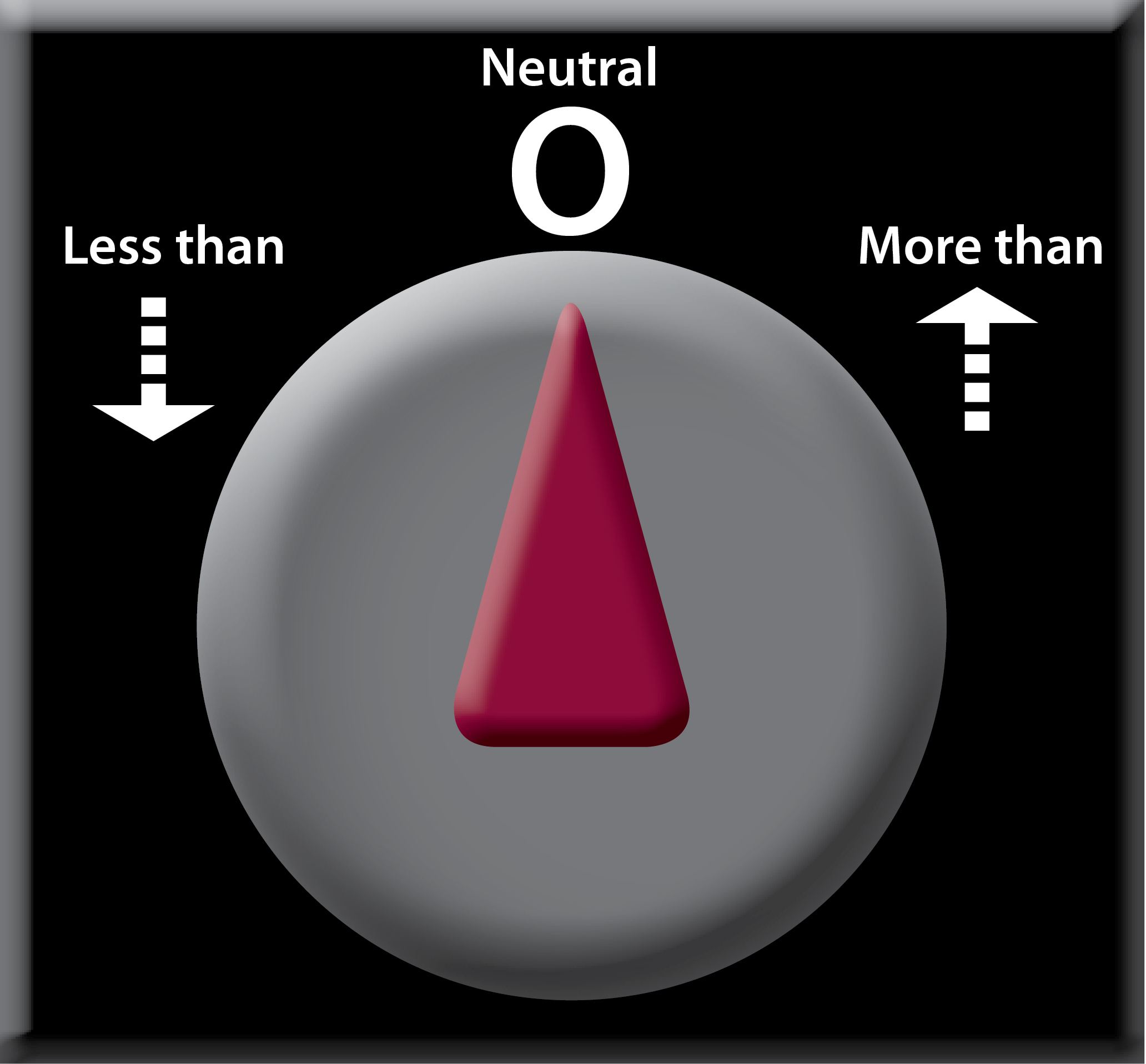
Neutral Switch

Listen, to yourself and those around you. If your Less Than Default Switch is active, go ahead and give that knob a turn. Move it to Neutral. If someone around has the switch on Less Than, help them move their knob as well.

Over time, Neutral can become your new default setting.

No more discounting.

No more comparison.

Just you; allowing your gifts, talents, creativity, and art to flow.
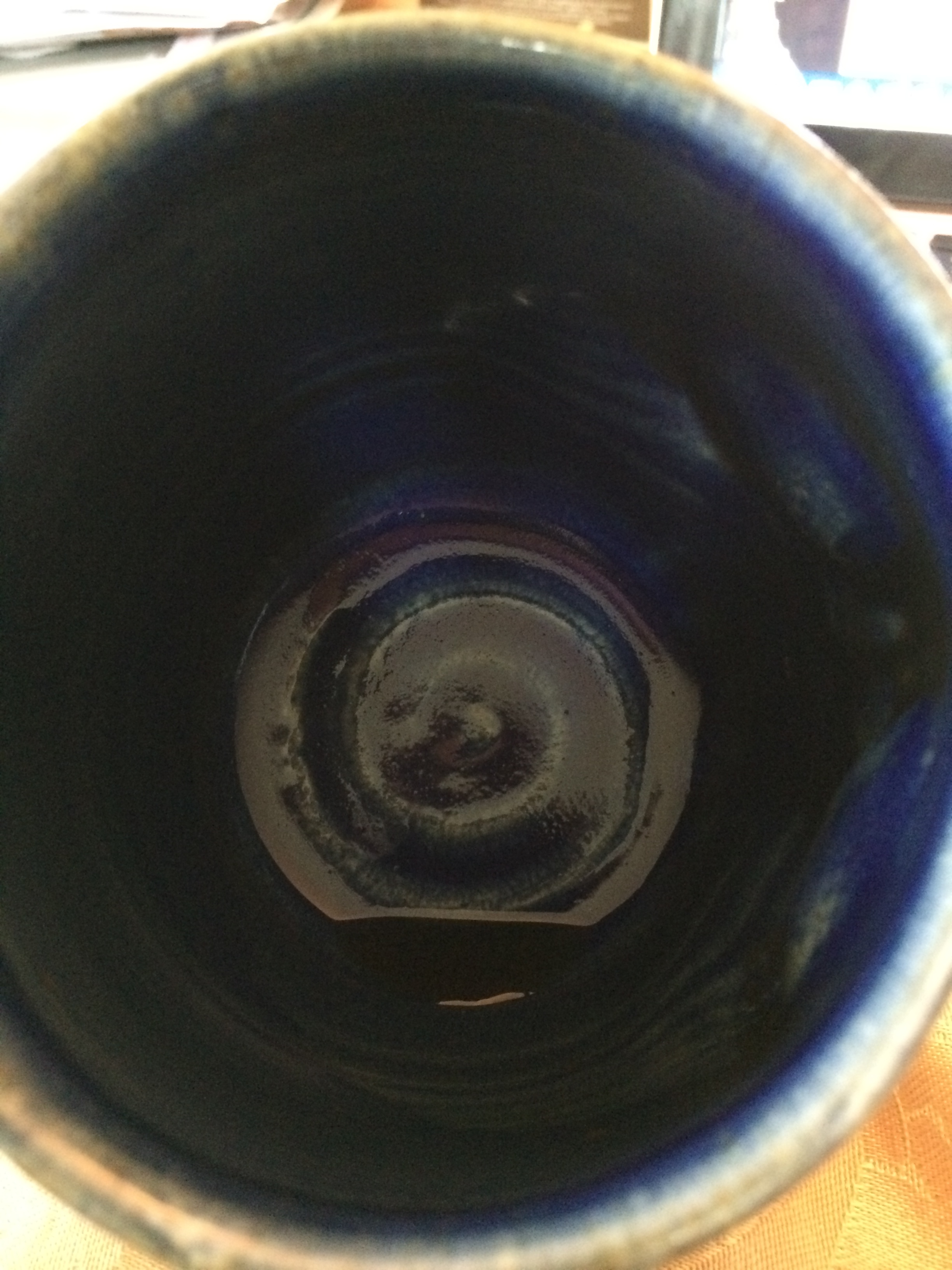
 

Habit Residue

Coffee Residue

We all have Habits.

Certain things we do that are a recurring pattern. Some we enjoy and are positive in our lives. Others are not great for us, and we struggle with changing them.

Habits become wired in our brains so we can focus on other more important aspects of our lives. Try to be more aware the next time you brush your teeth, take a shower, or get dressed, watch how this pattern of brushing, washing and dressing unfolds. The odds are you have a Habit that follows a pattern.

However, breaking a prior habit and re-wiring something new takes time and effort. In the first few weeks of trying something new, the old Habit tries to reestablish its dominance.

While helping someone establish a new Habit and replace and old one, they became frustrated when the old Habit returned.

“It seems to be back. I am trying.”

“You have made a lot of progress, maybe that is just the Habit Residue.”

“What are you taking about?”

“You know, what is left behind after something is gone. After I drink my coffee, there is coffee residue in the mug. The coffee is gone, I can still smell it, but the actual coffee is no longer here.”

We laughed and they were able to move forward. Somehow putting the Habit Residue in its place made it seem less powerful, less able to reassert itself back in their life.

What Habits are not working for you? What areas of your life, work, home, or relationships could use some new patterns?

Changing these Habits may not be easy, especially when the Habit Residue pretends to be the real thing. Putting the Habit Residue in its place may be a good place to start.

Ask or Act

Neighborhood-Doggarter_large

(Images courtesy of seespotshinedogtraining.com and nhmountainhiking.com)

Two simple choices. Ask or Act.

If things were only that easy.

As I learn more about our “fight or flight” reaction in our brains, there is another “f” reaction that seems to take hold.

Freeze.

The state where we become paralyzed to take any action. The Freeze could be fear of making a mistake, or letting someone down. The Freeze may be a product of our own insecurities and self-doubt. Whatever the cause, the Freeze holds us back from taking action or accomplishing our goals.

I am sure this Freeze came in handy when a ferocious animal was spotted and remaining motionless prevented an attack. However, except for the occasional dog off the leash in my neighborhood when I am running, or the unsuspecting garter snake in my garden, there are not a lot of animals that cause me concern.

What should we do when we find ourselves in a state of Freeze?

Back to the two choices. Ask or Act.

If you are not sure what to do, Ask someone. Ask for clarification or direction. Ask for more details or better guidance. Ask yourself what is the worst that could happen if you make a mistake. Ask for help. Ask yourself what is causing this fear.

If you have an idea what to do, Act and accomplish the task. Act in a way that gets you closer to the goal and moves you forward.

Hopefully these two simple choices help you the next time Freeze takes over.

Lists are Good

Lists are GoodI have a love/hate relationship with lists.

Lists keep track of what needs to be done.

Lists can feel overwhelming when there are so many things to be done.

A friend recently had a contractor over their house. The house needed numerous small repairs. As they prepared to walk from room to room and discuss the projects, my friend handed the contractor a list.

“I hope you don’t mind, but I made a list of all of the various projects.”

“Lists are good. I cannot tell you how many times I come to someone’s house and they rattle off all these things that were not part of our original discussion and expect me to remember them all.”

There was a sigh of relief from my friend. The last contractor didn’t have the same perspective on lists. There would be discussions, but not all projects were remembered or completed. There seemed to be agreement on what needed to be done, but various details would be missed that required projects to be either redone, or re-visited.

When it comes to lists, I think our egos can come into play.

“Don’t worry about it.” (As we tap our heads.) “I got it, I will remember, I don’t need to write it down.”

We don’t always have it.

We don’t always remember.

We do need to write it down.

Lists help in other ways. Lists provide accountability to ensure that we accomplish the task. Lists also provide the often needed sense of accomplishment. Each crossed-off item can bring pride for a job well done.

I will try to bring a little more love, and a little less hate to my lists.

I will also try to remember: Lists are Good.

Glasses or Binoculars

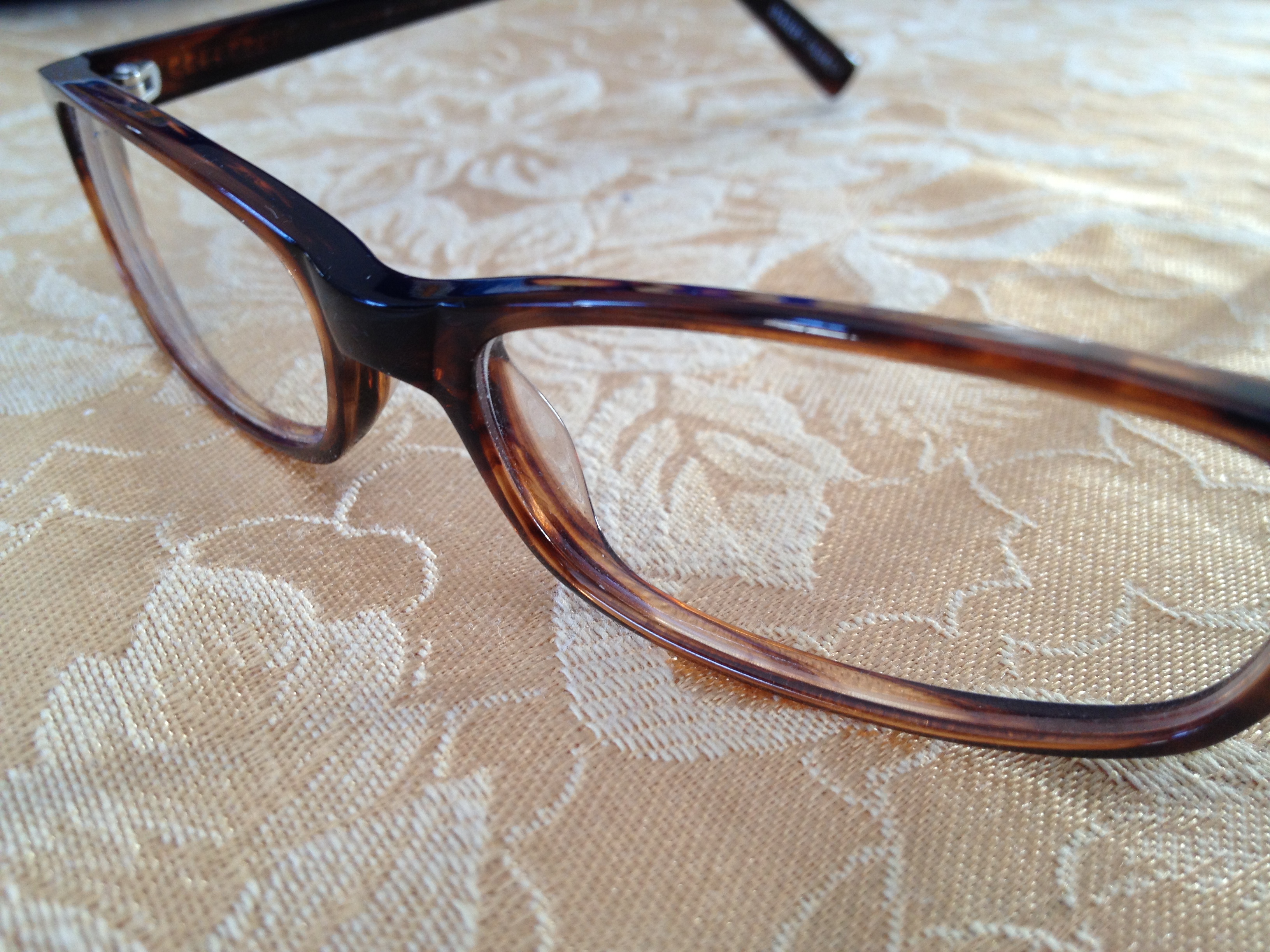
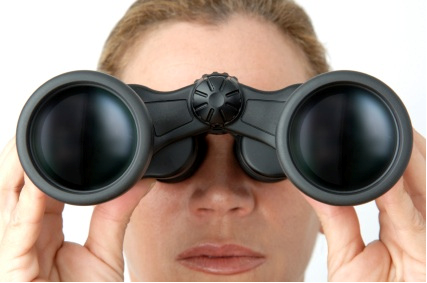
GlassesBoth of these tools have lenses, and are designed to help us see the world more clearly in their respective application. They are not competing with each other, but we may favor one over the other in our lives.

When looking at a situation, do you reach for your glasses or your binoculars?

Glasses help you see clearly.

Binoculars exaggerate and make everything appear closer.Binoculars

Glasses address things right before your eyes.

Binoculars help you see things that are far away, but may need your attention.

Glasses may need new lenses as life changes and our vision fades.

Binoculars may take some practice to learn to focus and interpret events.

Both glasses and binoculars have their respective role, application and usefulness. They become a burden when we get so used to using one, that we forget to change when the situation warrants.

A life lived solely through glasses makes the world seem smaller, as a quiet seclusion develops over time. Everything around you is in focus, but there is everything “out there” that is fearful and unknown. The life close to you is clear, but there may be a larger world around you that too far off in the distance to be seen.

A life lived solely through binoculars makes everything feel more close, more personal, more perilous. Interactions are overly scrutinized. Risks appear larger than life. Even the past events stay close because of the ability to keep them in sight, long after they have passed. This distorted view may cause you to miss the life that happens close, since your focus is much further away.

Where have you used glasses when binoculars were needed? When have your binoculars exaggerated aspects of your life when glasses would have brought the much-needed focus?

Picking the right application for both glasses and binoculars can be the key.

(Images courtesy of my iPhone and Lifesun)

The Relationship Reset Button

Reset Button

(Image Courtesy of Acceleraction.com)

So often in relationships, whether at home or work, with family or friends or loved ones, the past can overly shape the present.

You had a disagreement with that person. Now every interaction is awkward.

You lost your cool. Now others walk on eggshells around you.

You used to be fascinated by someone’s uniqueness. Now these issues only seem to cause you frustration.

You overly questioned someone’s work. Now they feel that you don’t trust them.

While working with a small group, we noticed this pattern and discussed how it impacts their ability to work together. The more I reflected, the more I noticed this pattern in my own circles.

The past interactions do not disappear, they build on each other to form a strange and often distorted view of others. I read recently that our memories can deceive us. Our memories exist, but each time we access them again they can change and the newer version of the story replaces the old memory.

I thought about how this can impact our relationships. Perhaps this is why it is so hard not to feel like a little kid around your parents. Maybe this is why people in more close relationships are heard complaining about the other one (many times in front of that person). This may be why it is so hard to rebuild a relationship at work that has gone south.

Those memories keep building and changing in a way that reinforces the negative issues.

What we could use is the Relationship Reset Button. This handy device would be available to any two people or a small group where all parties decide to let go of those past hurts, judgements, or misunderstandings. With a simple press of the button, everything would reset. They would be able to start fresh, start new, and get another chance at their relationship.

Yesterday I worked with this small group again. They pushed the Relationship Reset Button. There was history. There was conflict. There was a past. It wasn’t easy, but they stared over.

They let go, and began to appreciate each other’s differences.

They started to anticipate what the others may need, and started to provide that instead of being frustrated by requests.

They started to see that together they could accomplish so much more.

Along the way, some of the past began to return, but they would get together and remind each other that they had started over. These occasional issues didn’t build a new history, but were seen as lingering shadows that would continue to diminish as their new relationships grew.

Where can you use the Relationship Reset Button? Where has the past overly shaped and distorted some of your best relationships? The new year is about to start, so why not go ahead and press it and see what this year brings?